
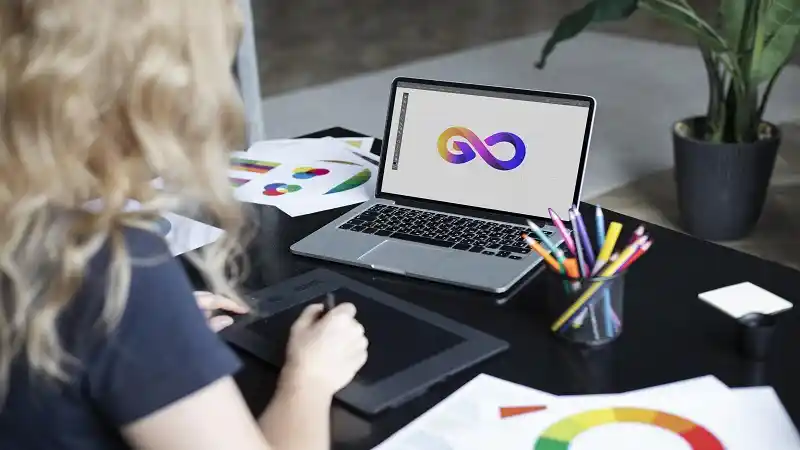
Every brand, no matter how big or small, begins with a visual impression. Before people read your content, understand your services, or evaluate your products, they see your branding. And at the heart of that branding is your logo. It’s the single visual element that represents your business everywhere—on websites, social platforms, emails, packaging, and ads.
A good logo doesn’t need to be loud or complicated. It needs to be clear, intentional, and aligned with your brand’s personality. When done right, it builds trust without explanation. When done poorly, it creates doubt before a single word is read.
Today, creators and businesses have more options than ever to design logos that look professional without needing years of design experience. That accessibility is changing how brands are built from the ground up.
One of the most practical ways people explore modern logo creation is through tools like the AI logo generator, which allows users to experiment with styles, layouts, and brand aesthetics quickly while maintaining a polished, professional look.
Why Logos Shapes First Impressions Instantly
People form opinions fast. In fact, most visual judgments happen in a fraction of a second. When someone encounters your brand for the first time, your logo becomes a shortcut for trust. It signals whether you are credible, creative, serious, or approachable.
A clean, balanced logo suggests organization and reliability. A cluttered or inconsistent one can subconsciously raise red flags. This reaction isn’t logical—it’s emotional. And emotion drives decision-making far more than most people realize.
That’s why brands that invest in thoughtful logo design often feel more “legitimate,” even if they’re just getting started.
Consistency Turns Recognition Into Trust
A logo becomes powerful through repetition. When people see the same symbol across multiple touchpoints—your website, social posts, newsletters, and ads—it creates familiarity. Familiarity leads to comfort, and comfort leads to trust.
Inconsistent visuals, on the other hand, confuse audiences. If your logo looks different everywhere, people struggle to remember you. Consistency doesn’t limit creativity; it strengthens recognition.
Strong brands don’t constantly redesign their identity. They refine and reinforce it.
Simplicity Makes Logos Timeless
Some of the most iconic logos in the world are incredibly simple. That’s not an accident. Simple logos are easier to recognize, easier to reproduce, and easier to remember. They work just as well on a billboard as they do on a mobile screen.
Complex designs may look impressive at first glance, but they often lose clarity when scaled down. A logo should be versatile enough to function in any context without losing its identity.
Simplicity isn’t about minimal effort—it’s about intentional design.
A Logo Should Grow With Your Brand
One common mistake businesses make is designing a logo that’s too narrow or trend-driven. Trends fade. Brands evolve. Your logo should be flexible enough to support growth without requiring constant redesigns.
A strong logo system allows you to expand into new services, audiences, or platforms while staying visually grounded. It becomes a foundation rather than a limitation.
Thinking long-term at the logo stage saves time, money, and rebranding stress later.
How a Strong Logo Supports Marketing Efforts
Marketing becomes significantly easier when your visual identity is clear. Ads look more cohesive. Social content feels intentional. Campaigns feel connected rather than scattered.
Your logo acts as an anchor for your entire brand system—guiding color palettes, typography, and layout decisions. Instead of starting from scratch with every campaign, you build on a recognizable base that audiences already associate with you.
That recognition improves engagement and recall over time.
Practical Tips for Choosing the Right Logo Direction
When developing or refining a logo, keep these principles in mind:
- Design for clarity before decoration
- Ensure readability at small sizes
- Avoid overly trendy elements
- Test the logo in both color and monochrome
- Align style with brand voice, not personal taste
A logo doesn’t need to appeal to everyone—it needs to resonate with the right audience.
Branding Is About Connection, Not Just Design
At its core, branding is emotional. A logo becomes meaningful when people associate it with positive experiences, reliable service, or quality content. Over time, it represents trust—not just a business name.
That’s why thoughtful logo choices matter.
Conclusion: A Logo That Works Quietly but Effectively
The best logos don’t demand attention—they earn it. They support your brand without overshadowing it. They feel familiar, reliable, and intentional.
When your logo is designed with clarity, consistency, and long-term vision in mind, it becomes one of your most valuable brand assets. It works silently in the background, strengthening every impression you make—day after day. See more