
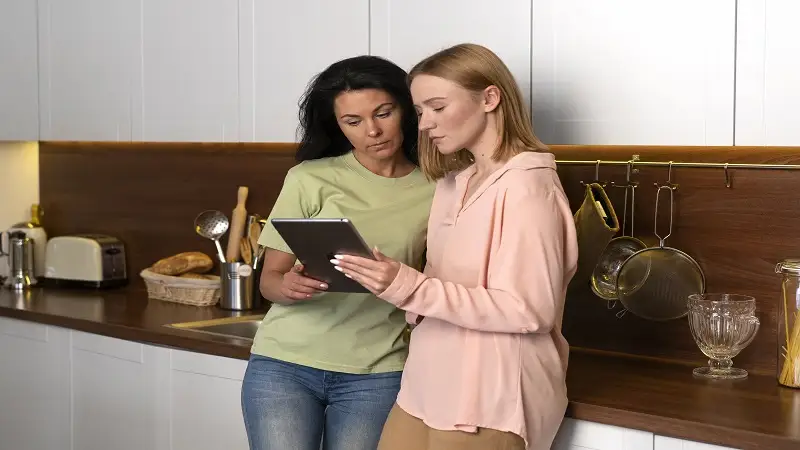
A home is more than just a place to live. It is where people relax, spend time with family, organize their daily routines, and create memories. Because of this, making a home comfortable, practical, and welcoming is an important goal for many homeowners and renters.
Creating a well-organized home does not always require expensive furniture, major renovations, or complicated design plans. Small improvements in organization, maintenance, decoration, lighting, and space management can make a noticeable difference.
This guide provides practical information about different aspects of home living, from keeping rooms organized to improving comfort and maintaining important areas of a property. The goal of homenumental home infoguide from homehearted is to provide simple ideas that can be understood and applied without unnecessary complexity.
Understanding What Makes a Good Home
Every home is different. A small apartment may require different solutions from a large family house, while a rented property may have different limitations from an owned home.
Despite these differences, several basic elements contribute to a comfortable living environment. Cleanliness, organization, sufficient lighting, practical furniture, proper maintenance, and thoughtful use of available space can all improve everyday life.
Before making changes, homeowners should first consider how each room is actually used. A beautiful design may not be practical if it makes movement difficult or creates unnecessary clutter.
Start With Home Organization
Organization is one of the simplest ways to improve a home. Clutter can make rooms feel smaller and make everyday tasks more difficult.
A useful approach is to divide belongings into categories such as items used regularly, seasonal belongings, things that can be stored, and objects that are no longer needed.
Storage containers, shelves, cabinets, baskets, and drawers can help keep frequently used items accessible while reducing visual clutter.
It is also helpful to give commonly used belongings a specific place. When everything has a designated location, cleaning and tidying become easier.
Making Better Use of Available Space
Good space management does not necessarily mean having a large home. Even a small room can feel more comfortable when its available space is used efficiently.
Furniture should be selected according to the size and purpose of the room. Oversized furniture can make a small room feel crowded, while appropriately sized pieces can create better movement and balance.
Vertical storage can also be useful. Shelves and wall-mounted storage can provide additional space without taking up much floor area.
For anyone exploring homenumental home infoguide from homehearted, practical space planning is an important part of creating a home that feels both comfortable and functional.
Choosing Comfortable Furniture
Furniture should combine appearance with practicality. A sofa, bed, dining table, or desk should be suitable for the people who will use it regularly.
Comfort is particularly important for furniture used for long periods. A beautiful chair may not be useful if it is uncomfortable to sit in, while a practical desk should provide enough space for the activities performed there.
When purchasing furniture, homeowners should also consider durability, maintenance requirements, room dimensions, and how the piece will work with existing furniture.
Improving Home Lighting
Lighting can influence the atmosphere and functionality of a room.
Natural light is valuable during the daytime, so curtains and window coverings should allow homeowners to make reasonable use of available sunlight.
Artificial lighting can then provide additional illumination when natural light is insufficient. Different areas may require different lighting arrangements. For example, a reading area may benefit from focused lighting, while a living room may work better with softer general illumination.
Replacing damaged or outdated light fixtures can also be a simple way to refresh the appearance of a room.
Keeping the Home Clean
Regular cleaning helps maintain both appearance and comfort. Instead of waiting until the entire house becomes difficult to manage, homeowners can divide cleaning tasks into smaller routines.
Daily tasks may include putting belongings away, wiping frequently used surfaces, and managing kitchen areas. Weekly cleaning can include floors, bathrooms, dusting, and other common household tasks.
Seasonal cleaning provides an opportunity to organize storage areas, clean less frequently used spaces, and inspect parts of the home that may otherwise be overlooked.
A consistent routine is usually easier to maintain than occasional intensive cleaning.
Maintaining the Kitchen
The kitchen is one of the most frequently used areas in many homes. Keeping it organized can make cooking and cleaning more convenient.
Frequently used utensils and ingredients should be stored where they are easy to reach. Less frequently used items can be placed in cabinets or storage areas.
Countertops should be kept reasonably clear to provide useful preparation space. Appliances should also be cleaned according to their manufacturer’s recommendations.
Regularly checking food storage areas can help prevent expired products from accumulating and makes it easier to identify what needs to be replaced.
Creating a Comfortable Bedroom
The bedroom should provide a comfortable environment for rest. A suitable mattress, appropriate bedding, organized storage, and reasonable lighting can all contribute to a more relaxing space.
Keeping unnecessary objects away from the bed area can make the room feel less crowded. Colors, textures, and decorative elements can also be selected according to personal preferences.
Temperature and ventilation are additional considerations. A bedroom that is too warm, cold, or poorly ventilated may be less comfortable.
Improving the Living Room
The living room often serves several purposes, including relaxation, entertainment, conversation, and family activities.
Furniture should be arranged so that people can move around easily. Seating can be positioned to encourage conversation while leaving sufficient space for walking.
Decorative objects can add personality, but too many items may create visual clutter. A balanced arrangement often provides a more comfortable appearance.
Rugs, curtains, cushions, artwork, and plants can also be used to introduce texture and character without requiring major structural changes.
Bathroom Maintenance
Bathrooms require regular cleaning and maintenance because they are exposed to moisture on a frequent basis.
Regularly cleaning sinks, showers, toilets, floors, and other surfaces helps maintain a hygienic environment. Ventilation is also important because excessive moisture can contribute to unpleasant odors and other problems.
Homeowners should pay attention to leaks, damaged seals, unusual water stains, and other signs that may indicate a maintenance issue.
Small problems can sometimes become more expensive if they are ignored for long periods.
Basic Home Maintenance
Regular maintenance helps protect a property and its contents. Homeowners should periodically inspect areas such as doors, windows, plumbing fixtures, electrical components, roofs, and heating or cooling systems.
Not every repair should be handled as a do-it-yourself project. Electrical, structural, gas-related, or other potentially dangerous problems may require a qualified professional.
Keeping records of maintenance work can also be useful. A simple record can include the date of a repair, the problem identified, and any work completed.
Making a Home More Energy Efficient
Energy efficiency can help reduce unnecessary energy consumption.
Simple measures may include turning off lights when they are not needed, using energy-efficient appliances, improving insulation where appropriate, and maintaining heating and cooling equipment.
Windows and doors should also be checked for obvious drafts. Sealing suitable gaps can help improve indoor comfort.
Energy-efficient improvements should be selected according to the home’s condition and the homeowner’s budget rather than making unnecessary purchases.
Adding Personal Style
A home should reflect the people who live there. Personal photographs, artwork, books, plants, textiles, and other meaningful objects can make a space feel more personal.
There is no single decorating style that works for everyone. Some people prefer minimalist interiors, while others enjoy traditional, colorful, modern, rustic, or mixed styles.
The most important consideration is whether the environment feels comfortable and practical for its occupants.
The ideas discussed in homenumental home infoguide from homehearted can be adapted to different home sizes, budgets, and personal preferences rather than following one fixed design approach.
Creating a Practical Home Routine
A good home does not stay organized automatically. Establishing simple routines can make maintenance easier.
For example, household members can spend a few minutes each day returning items to their proper locations. Weekly routines can cover cleaning and laundry, while monthly or seasonal routines can focus on maintenance and deeper organization.
Sharing household responsibilities can also make routine tasks easier for families or people living together.
Avoiding Unnecessary Home Improvements
Home improvement projects can be useful, but not every change is necessary.
Before purchasing new furniture or starting a renovation, homeowners should identify the actual problem they are trying to solve. Sometimes reorganizing existing belongings may accomplish the same goal at little or no cost.
Budgeting is also important. A project should account for materials, labor, unexpected expenses, and future maintenance.
Planning before starting can reduce waste and prevent unfinished projects.
Final Thoughts
A comfortable home is created through a combination of organization, maintenance, practical design, and personal choices. Large renovations can transform a property, but small improvements can also have a meaningful effect on everyday living.
Keeping rooms organized, choosing suitable furniture, improving lighting, maintaining kitchens and bathrooms, and addressing repairs early can all contribute to a better living environment.
The main lesson from homenumental home infoguide from homehearted is that there is no single formula for creating the perfect home. Every household has different needs, available space, preferences, and budgets.
By focusing on practical improvements and building simple household routines, homeowners and renters can create spaces that are comfortable, functional, and easier to maintain over time. See More